World Church · November 6, 2026
Young Adults in the United States Attend Church More Frequently Amid Mixed Religious Signals
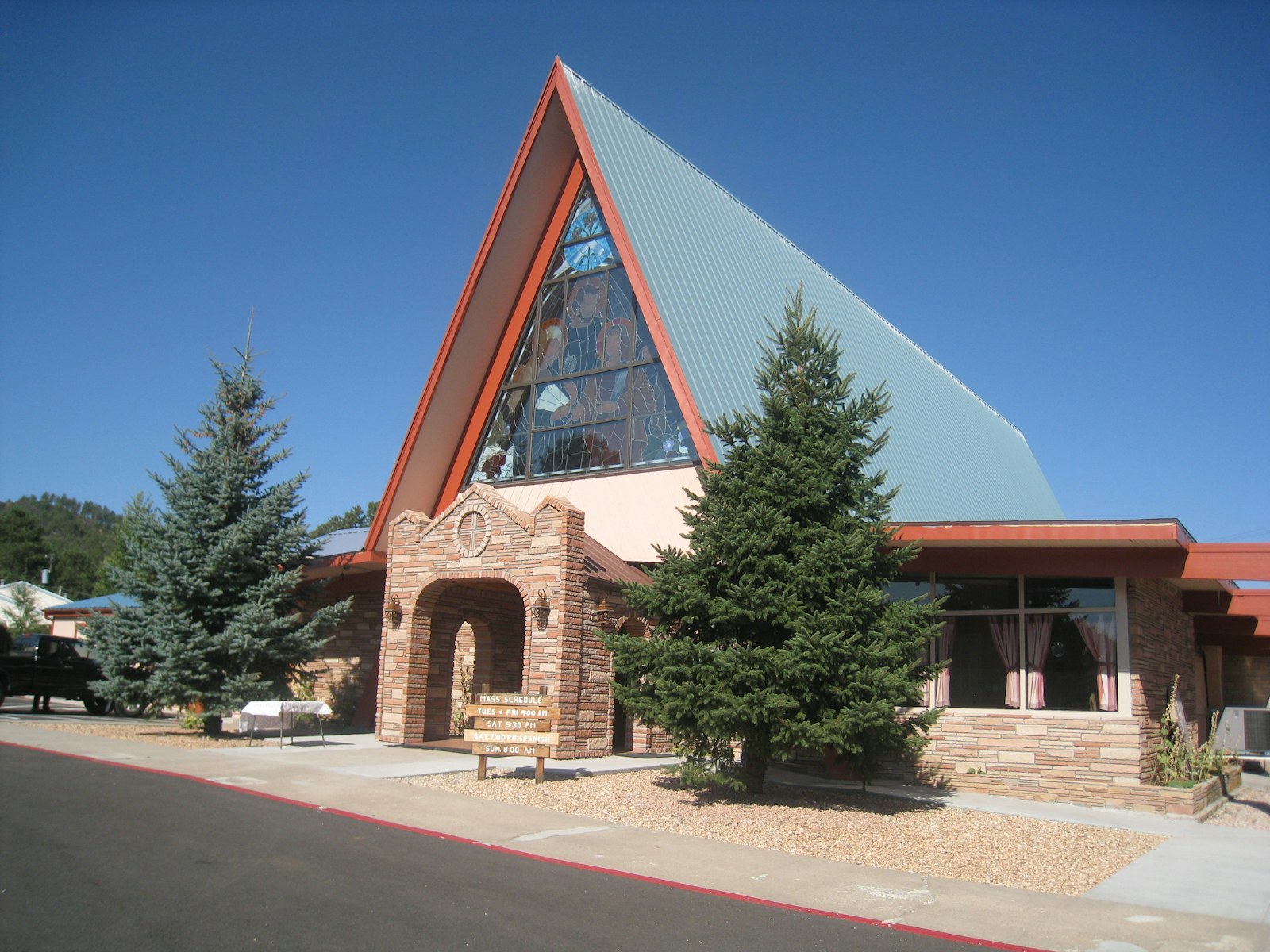
Young adults in the United States are attending church more often, according to a new study by the Pew Research Center. While church attendance has increased among the youngest adults, they are not more religious in other areas compared to previous times.
Among adults aged 18 to 22, 41 percent attend a church service at least once per month, which is higher than the one third of all Americans who do so. Only Americans born before 1960 attend more frequently. However, these same young people pray less often, view religion as less important, and identify with a religion less frequently than most older generations. Those aged 23 to 26 are the least religious age group across all measured points and are less religious than their peers were in 2007.
Researchers suggest the higher attendance among the youngest group may be a recovery following the pandemic years when churches were closed. The data also shows a shift in gender dynamics: 47 percent of men aged 18 to 22 attend church monthly, compared to 35 percent of women in the same age group. This contradicts historical trends where women in the United States were more religious than men. While the gap between genders has narrowed, the study indicates this is primarily because women are leaving religion faster than men, rather than men becoming more religious.
Political affiliations also play a role, as more than half of the youngest Republicans attend church monthly. However, the trend is not exclusive to one party, as young Democrats also attend church more often than middle aged Democrats.
Overall, the decline of believers in the United States has stalled since 2020. Currently, 70 percent of residents identify with a religion, down from 83 percent in 2007. Prayer habits and the perceived importance of religion have remained largely stable for years. Church attendance has risen slightly to its highest level since the Pew Research Center began measuring it in 2020.
The Pew Research Center expressed caution regarding these findings, noting that the sample included only slightly more than 400 young adults aged 18 to 22. Additionally, tracking the same Americans from 2020 to 2025 showed no clear growth in religiosity for any age group. The researchers conclude that the youngest generation is simply starting adult life more religious than the generation immediately preceding them, though it remains uncertain if they will maintain this pattern.