World Church · October 4, 2026
Five Pieces of the Original Bethlehem Nativity Now on Display in Rome’s Santa Maria Maggiore
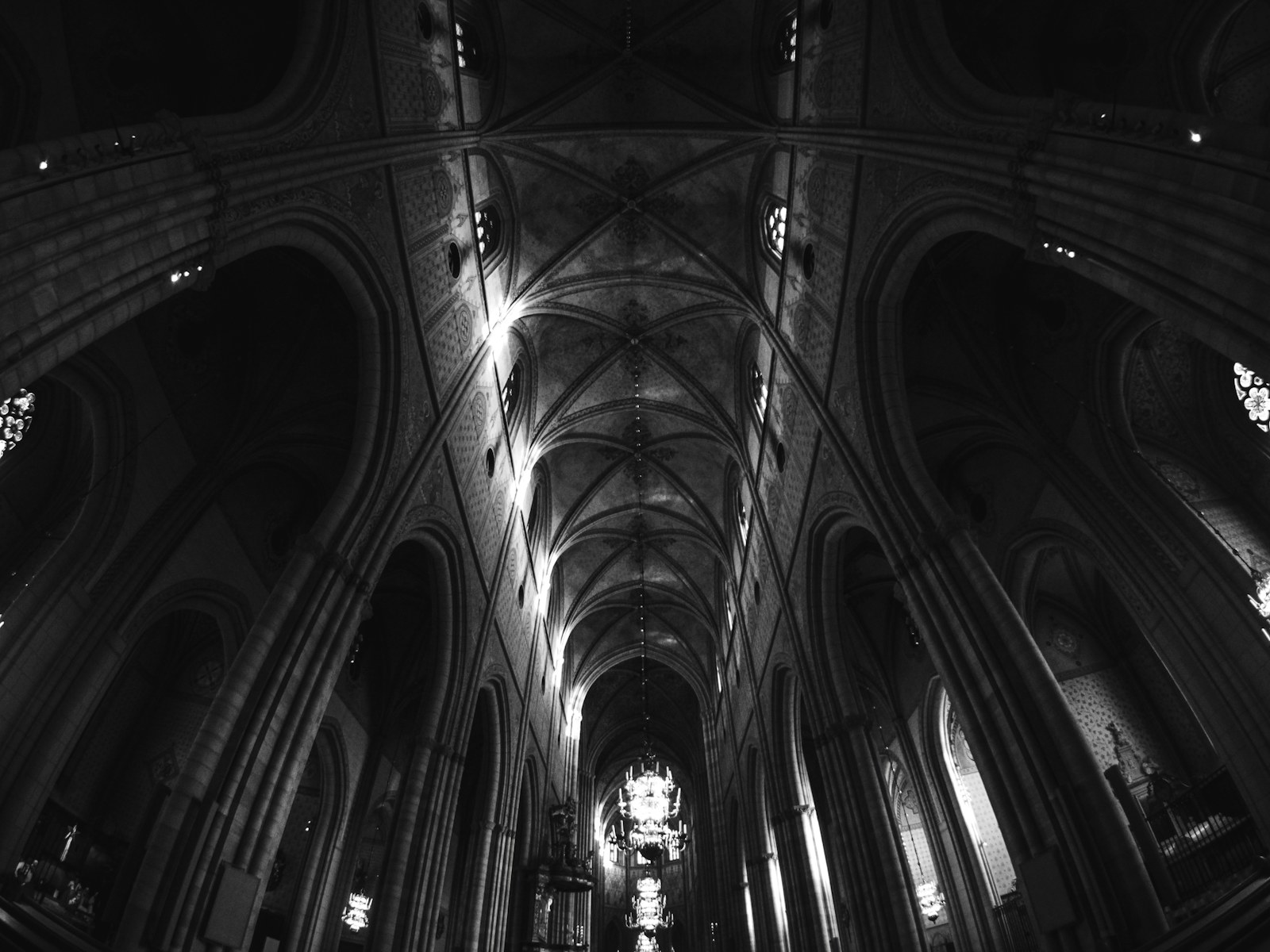
Five thin maple fragments that are believed to be part of the original Bethlehem nativity are now on public view in the Santa Maria Maggiore basilica in Rome. The fragments, traditionally regarded as pieces of the manger that Mary placed the newborn Jesus in, have been moved from their usual niche in front of the papal altar to a side chapel for the duration of restoration work.
The move follows a decision announced on Wednesday by the papal basilica. The relics, which are venerated as parts of the original nativity of Jesus, will be displayed in a side chapel while the main altar area undergoes conservation. The relics will return to their historic niche on Epiphany, when the shrine and a new blue mosaic of glass enamel and gold beads will be unveiled.
The five maple pieces were originally kept by Pope Theodor I, who reigned from 642 to 649, after receiving them from Patriarch Sophronius of Jerusalem. Scientific studies indicate that the wood dates to around the turn of the first millennium.
In 1802, the Roman artist Giuseppe Valadier designed a new reliquary in the shape of a cradle. The reliquary, known as the Holy Cradle, has been displayed in a new frame since 1864. The frame was designed by the Roman architect Virginio Vespignani, who also created the large Confessio in front of the papal altar. Vespignani used about seventy different types of marble, mostly sourced from excavations in Rome and Ostia.
The complex is currently being modernised to protect the relics with the latest conservation standards. A new blue mosaic of glass enamel and gold beads is being created behind the nativity to symbolise the heavens of the holy night. The arrangement of the stars is said to replicate the constellation of the Christmas night.
During the restoration, the reliquary will become one of the side altars of the right side nave. On Christmas Eve, the Holy Nativity will be ceremonially moved to the papal altar, where it will remain for the entire Christmas season. On Epiphany, the reliquary will return to its historic niche, where its restored shrine and the new mosaic will await.
The nativity is a manger. In the Holy Scriptures, it is mentioned in connection with the birth of Jesus. The evangelist Luke writes that Mary "gave birth to her son, the firstborn. She wrapped him in swaddling clothes and laid him in a manger, because there was no room for her in the inn."
The term nativity also refers to the entire figurative depiction of the birth scene. The first nativity scenes in Italy and Spain can be traced back to the sixteenth century, followed shortly by those in southern Germany.
The nativity and Christmas tree have disappeared from St. Peter’s Square ten days ago, marking the official end of the Christmas season. The Vatican State has now announced the donor of the next nativity. The Bavarian National Museum will receive nativity pieces from the estate of former Justice Minister Mathilde Berghofer‑Weichner, who founded the association Christian Folk Art from Around the World.
The Santa Maria Maggiore basilica remains a focal point for visitors seeking to witness the historic relics of the Bethlehem nativity during the holiday season.