World Church · November 4, 2026
Also published in Português (Brasil)
Catholic Church Explains Distinction Between All Saints and All Souls Days
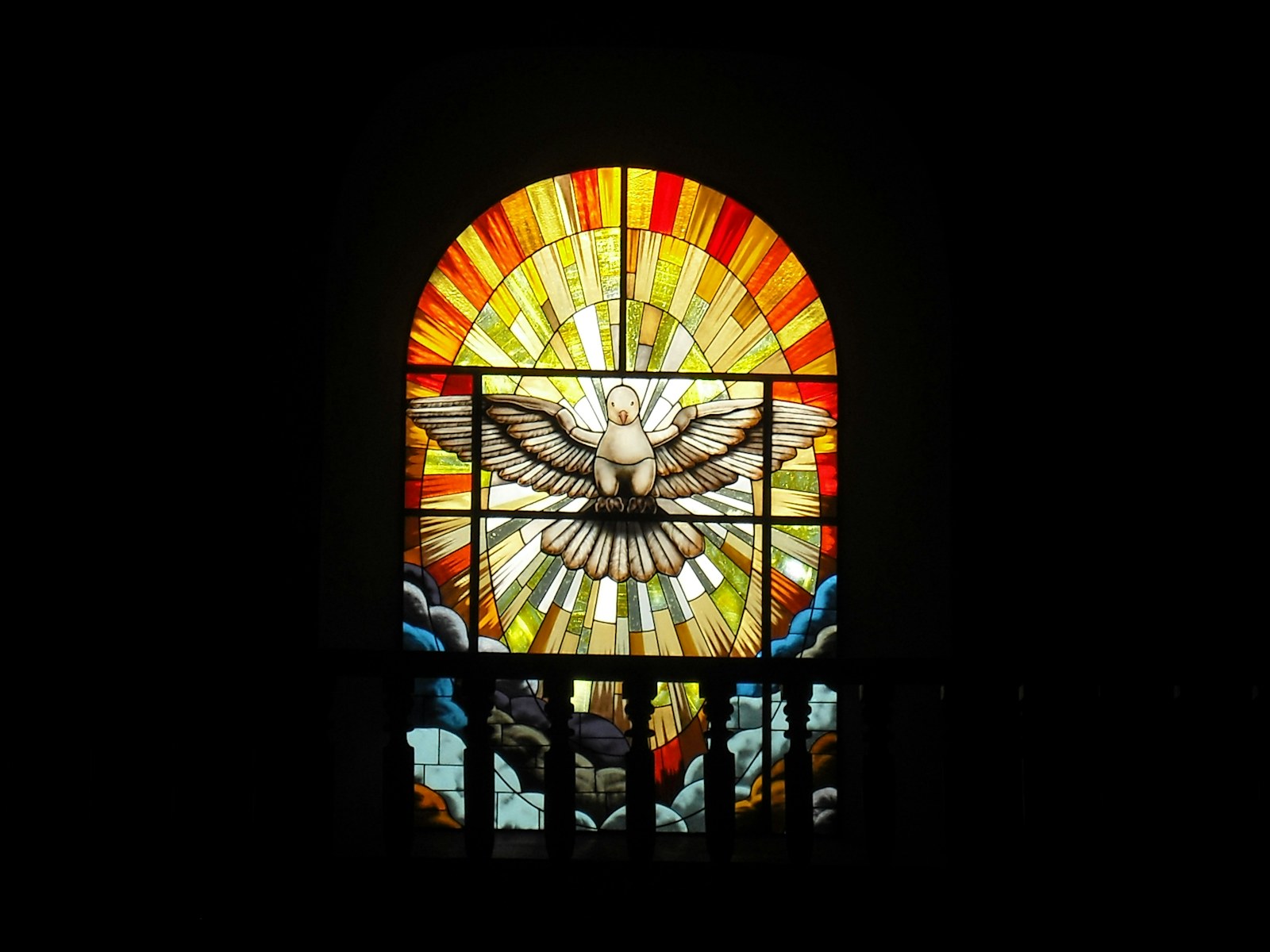
The Catholic Church observes two distinct memorial days in early November, with All Souls Day on November 2 focusing on the deceased for whom the Church prays. This observance is rooted in a centuries-old tradition and a theological hope that extends beyond death. The practice involves specific liturgical actions and devotional requirements intended to support the spiritual state of the departed.
All Saints Day on November 1 celebrates those who have reached fullness in God, including both canonized saints and unknown holy people. In contrast, All Souls Day directs attention to all the deceased. The Church commemorates them through prayer and the celebration of the Eucharist, trusting that God's mercy will complete their purification and lead them into communion with Him. These two days are not in competition; rather, All Saints Day celebrates the goal of Christian hope, while All Souls Day expresses solidarity with the dead and intercedes for their completion.
The tradition of praying for the dead dates back to the first centuries of Christianity, when believers remembered their deceased during the Eucharist. The specific observance of All Souls Day is primarily associated with Odilo of Cluny, a Benedictine abbot who in 998 ordered his monasteries to specially commemorate all deceased believers on the day after All Saints Day. This practice spread from the influential Abbey of Cluny to other monasteries and dioceses, eventually becoming established in the Western Church. Historical records confirm the observance in Rome only from the 14th century, though the exact year of its introduction cannot be determined with absolute certainty.
Theologically, All Souls Day is grounded in the belief in the resurrection of the dead and the communion of saints. This communion links the living on earth with those already in God's presence and with the deceased who still require purification. The doctrine of purgatory is not understood as a second location alongside heaven and hell, but as a process of purification for those who belong to God but are not yet fully ready for communion with Him. It is not a second chance to choose for or against God, but a completion and healing through God's grace.
The living can assist the deceased through prayers, works of charity, and especially the Eucharist. This is not an attempt to influence God's judgment or earn salvation, but an expression of trust that people can stand together for one another even beyond death. The hope rests on God's mercy rather than human effort. A particularly well-known practice is the All Souls Indulgence, which offers two ways to gain a plenary indulgence for the deceased. The first is visiting a cemetery daily from November 1 to 8 and praying for the dead. The second is visiting a church or public chapel on November 1 or 2, or the Sunday before or after All Saints Day, including the afternoon of the day before All Saints Day. In the church, the Lord's Prayer and the Creed must be recited.
Additional conditions apply for both options: the faithful must receive the sacrament of penance and communion, and pray for the intentions of the Pope. An interior disposition of complete detachment from all sin is required. Confession may occur within about three weeks before or after the indulgence work, and communion should be received as close to the act as possible. A plenary indulgence can only be gained once per day and is applied to a deceased person, not to one's own salvation. If all conditions are not met, a partial indulgence may be obtained. The term indulgence is often misunderstood as buying off guilt, but the Church teaches that it remits temporal punishment due to sin, not the sin itself. It is not a price for heaven nor a way to buy God's mercy. The history of indulgence trading in the late Middle Ages, which contributed to the Reformation, led the Church to reorder the doctrine and clarify that an indulgence is not for sale and does not replace personal conversion.