World Church · October 27, 2026
Also published in Français
Vatican document frames liturgy and music as central to faith transmission
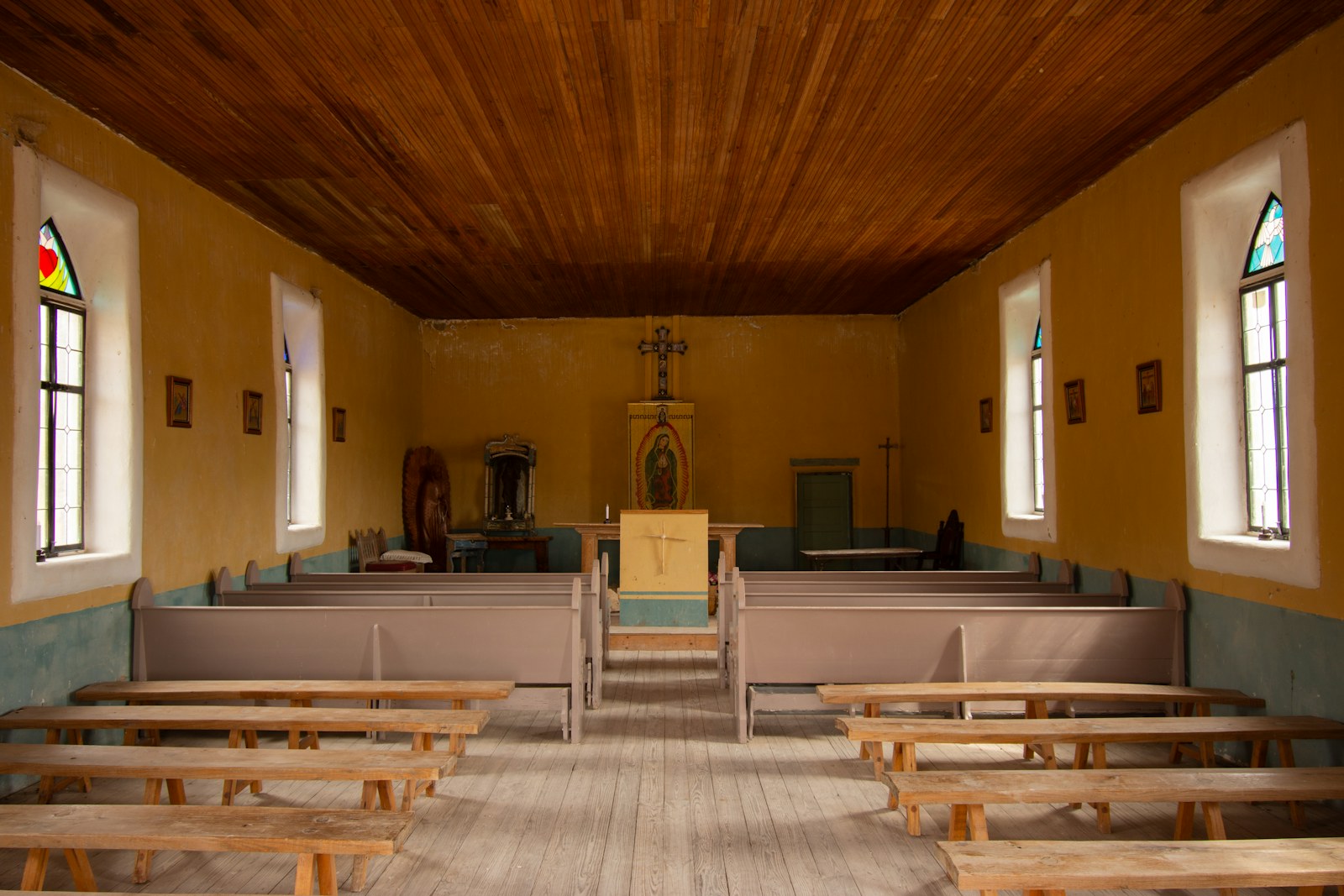
The Dicastery for the Doctrine of the Faith has released a new document titled Venite ad me, which identifies liturgy and music as primary pathways for conveying the Christian faith. The text was published on October 22 and specifically addresses the role of these elements in making the faith tangible for believers. The document argues that these practices are not secondary aspects of church life but are essential for connecting people with the faith, particularly in situations where words alone are insufficient.
The document dedicates sections 90 through 94 to the discussion of liturgy and section 99 to music. It emphasizes that liturgy is not merely a ritual framework for church life but a place where the mystery of Christ is celebrated and sacramentally transmitted. Through words, gestures, silence, and symbols, the faithful are invited to experience the faith rather than simply learn about it. This celebration is described as a process that internally shapes believers and integrates them into a tradition carried by previous generations. The text calls for a balance between preserving the symbolic tradition of the church and making it accessible and understandable for contemporary people. It warns against reducing liturgical celebration to a purely formal execution, insisting that its signs must appeal to both the mind and the heart. This requires appropriate education in liturgical language.
The document addresses current debates regarding liturgical practice by rejecting both strict adherence to rubrics without spiritual depth and overly free pastoral designs. It does not justify unauthorized changes but demands that the richness of the Catholic liturgy be expressed while complying with existing regulations. The text clarifies that rule compliance alone does not exhaust the meaning of a celebration. This stance aligns with recent statements by Pope Leo XIV, who has emphasized the importance of active and conscious participation in the liturgy. In a catechesis on August 26, the Pope noted that the faithful should not experience the service as silent spectators but should participate devoutly and actively. He highlighted that the reforms of the Second Vatican Council aimed to make the richness of Holy Scripture and liturgical prayers more accessible and to clarify the order of worship.
Regarding music, the document describes it as an essential language of faith transmission. It is viewed as an expression of the path through beauty, capable of touching the deepest strings of the human heart and conveying the truth of the Gospel. Music is characterized not as mere aesthetic decoration but as a missionary tool that can attract people, especially where words reach their limits. Pope Leo XIV previously stated on August 19 that music is part of the liturgical action and not just an embellishment of the celebration. He explained that singing and making music constitute prayer and align the heart with God and others. The Pope warned against music that follows only fashion or personal preferences, advocating instead for a musical form that is noble, simple, high in quality, and executable by the community. The text should be profound, understandable, and oriented toward Holy Scripture, liturgical books, and spiritual tradition. The church's argumentation opposes two extremes: making beauty a self-purpose that obscures the liturgical action, and dismissing aesthetic quality in favor of musical and design indifference.