World Church · November 19, 2026
Also published in Español
Study finds Austrian Catholic Church generates 7.3 billion euros annually and creates one in every 45 jobs
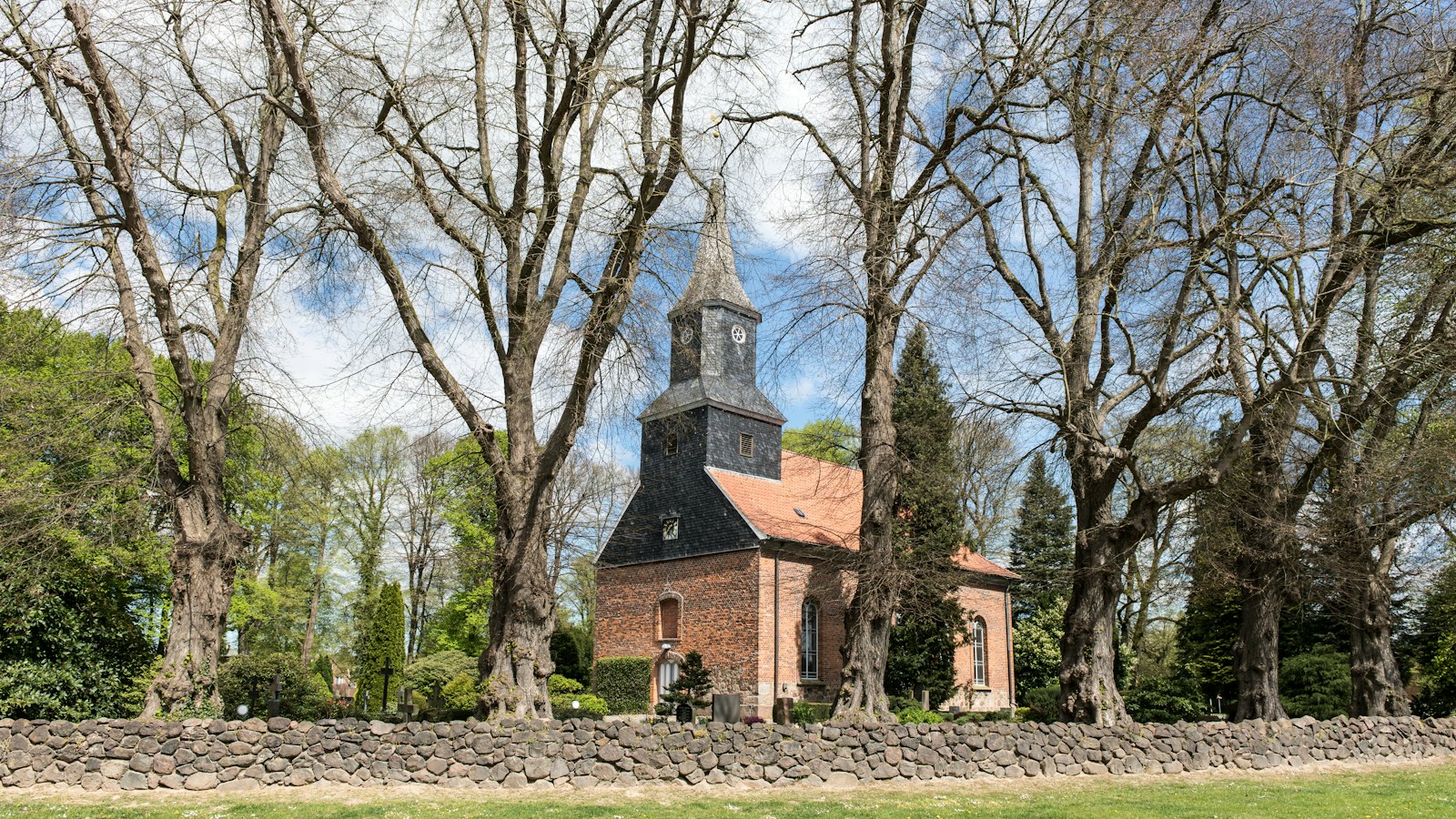
The Roman Catholic Church in Austria is a significant economic factor that generates substantial value for the state, according to research by Joanneum Research. The church creates approximately one in every 45 jobs in the country and produces volunteer work valued at nearly half a billion euros annually.
The study, commissioned by the Austrian Bishops Conference and the Conference of Religious Orders, calculated that the church generates around 7.3 billion euros in direct, indirect, and induced economic value each year. The net benefit to the state amounts to 890 million euros. The research also found that the Catholic Church generates approximately one in every 59 euros of total gross value added in Austria.
When comparing costs and benefits, the study determined that the general public bears costs of approximately 6.5 billion euros for the Catholic Church, while the benefits total about 12.8 billion euros. This means the total economic benefit is nearly double the economic costs. The study's authors concluded that the state profits significantly from the church's activities.
The church's economic contribution spans multiple sectors. In social services, Caritas stands out prominently, employing 18,000 staff members and 44,000 volunteers who support 106,000 people in difficult situations. Caritas operates 72 facilities for homeless and housing-insecure individuals with more than 2,600 beds. In education, 288 Catholic schools serve approximately 73,000 students.
The church also plays a major cultural role, maintaining more than 15,000 monuments that represent 39 percent of all monuments in Austria. These religious sites attract tourists, generating an estimated 110 million euros in tourism revenue. Additionally, the church invests nearly 90 million euros in development cooperation and humanitarian aid, with much of this funding coming from donations.