World Church · September 15, 2026
Sri Lankan Church Demands Justice for Chemmani Mass Grave Victims
The Catholic Church in Sri Lanka has formally demanded justice and truth for the victims buried in the Chemmani mass grave, a site located on the Jaffna Peninsula in the north of the country. This call for accountability follows the conclusion of a third archaeological excavation campaign that ended in August 2025. The Church seeks an independent investigation to identify the remains and establish the circumstances of the deaths, which have remained a mystery since the site was first discovered in 1998.
Forensic experts and archaeologists working at the Chemmani site uncovered 583 sets of bones and skeletons during the recent excavations. These remains include those of children and infants, with some skeletons found in positions suggesting they were bound, such as with arms crossed behind the back or hands tied while seated. The number of sets does not necessarily equate to the number of individual victims, as the final count will depend on ongoing medical and forensic analyses. DNA testing, which is essential for identifying the remains and reestablishing family links, is still pending. The excavation was supervised by the Jaffna court and marked the end of a series of digs that began in 2025.
The Chemmani site has a long history of silence and partial investigation. It was first identified in 1998 after a Sri Lankan soldier reported that the area was used to bury men and women who had disappeared and been killed during a violent campaign. Initial excavations in 1999 recovered 15 bodies, but no further work was conducted until the recent campaigns. The site is considered the largest mass grave in Sri Lanka, yet its full scope and the identities of the victims remain unknown. The Church emphasizes that the truth can only be established through rigorous, independent forensic processes.
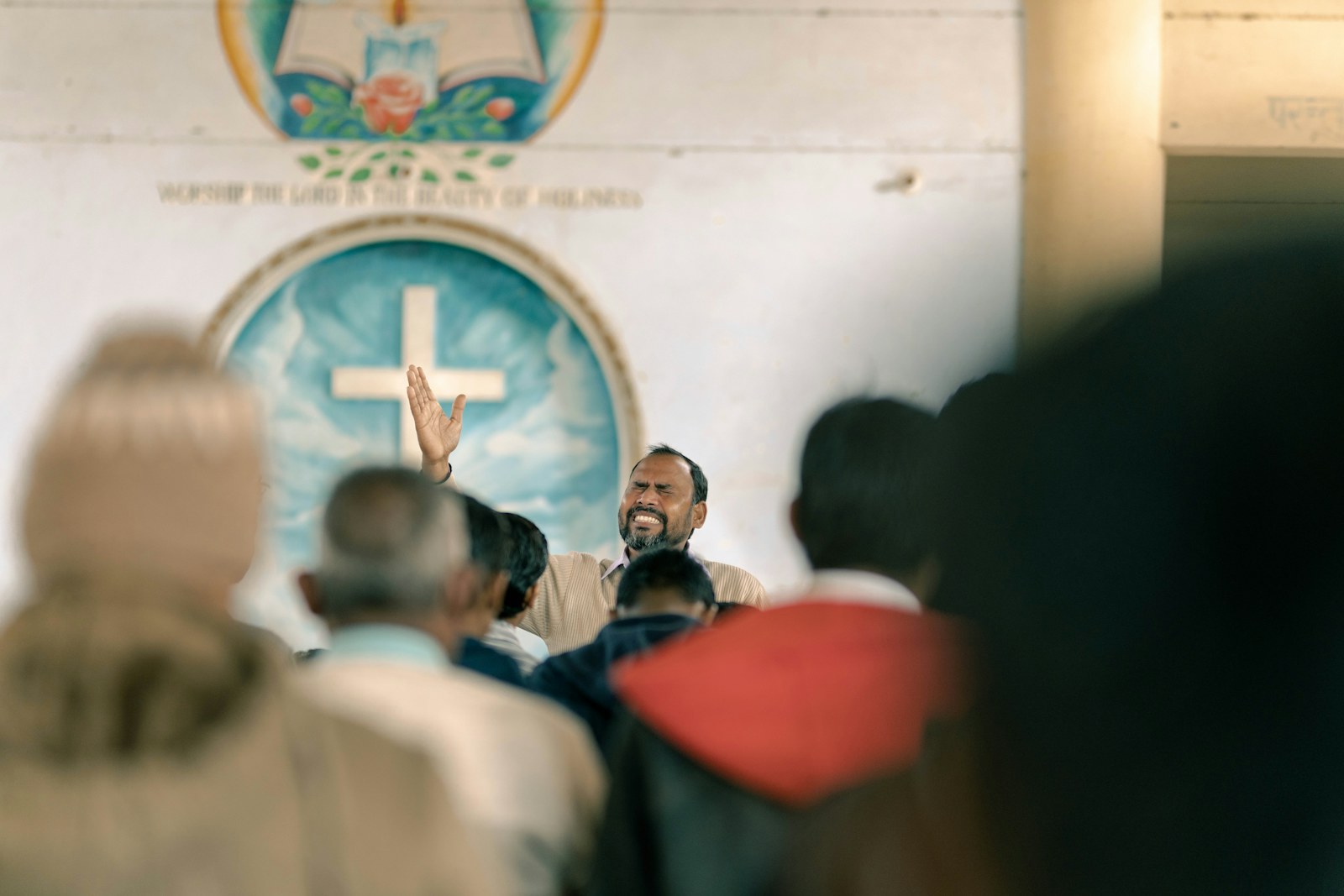
On July 30, 2025, Father Augustine Anthonipillai, director of the Justice and Peace Commission of the Jaffna diocese, led a peaceful procession to the site. Accompanied by approximately 100 people, including priests, religious, and lay Catholics, he organized what is described as the largest street demonstration in the history of the Chemmani case. The procession started from the statue of Saint Jude Thaddaeus in the Ariyalai district of Jaffna and ended near the Siththuppaththi cemetery. The demonstration was characterized by prayer and moral values, aiming to ensure that the entire process, from excavation to the assignment of responsibility, is credible, independent, and centered on the victims.
Following the demonstration, Father Anthonipillai read an open letter addressed to the United Nations High Commissioner, Volker Türk. The letter requested an objective international investigation, impartial forensic and DNA analyses, and the involvement of the families of the disappeared. It also called for the protection of witnesses and human rights defenders, as well as the recovery and preservation of remains in accordance with the Minnesota Protocol. This protocol, adopted by the United Nations in 1991 and revised in 2016, requires that investigations into potentially unlawful deaths be independent, impartial, and conducted without delay, while ensuring that evidence is handled to prevent any alteration or deterioration.
The Church and local families, including the Ared association, argue that Sri Lankan authorities alone should not conduct the investigations. They insist on the participation of international forensic experts to ensure transparency. The families of the disappeared, who have lived with uncertainty and pain for decades, seek answers about whether their relatives were tortured, killed, and buried at Chemmani by any of the factions involved in the civil war. The war lasted 26 years and ended in 2009, pitting the Sinhalese majority against the separatist Tamil minority. Although the mass grave is located in a conflict-affected zone, it is not automatically linked to war atrocities without forensic proof. The Church asserts that the search for truth must become a national moral responsibility to prevent such crimes from recurring.