World Church · November 21, 2026
Also published in Português (Brasil)
Pope Leo XIV Marks 400th Anniversary of St. Peter's Basilica Dedication
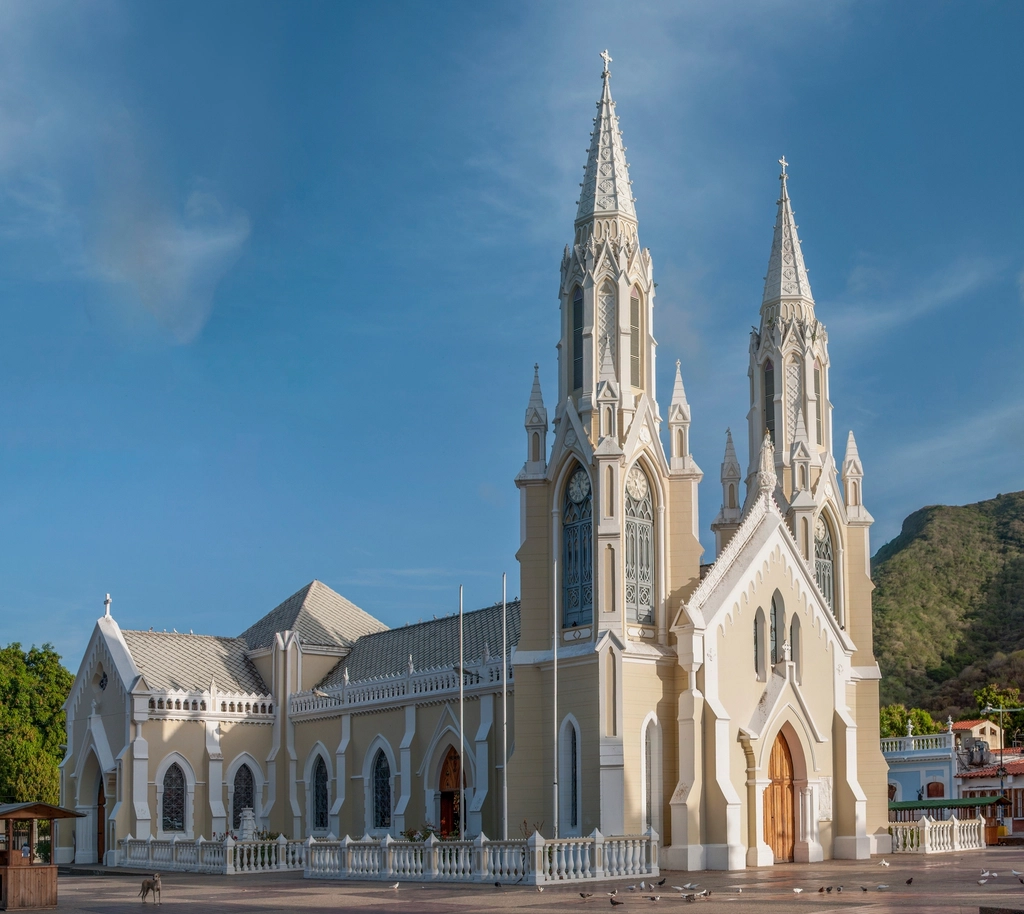
Pope Leo XIV presided over a Mass at St. Peter's Basilica on Wednesday to mark the four-hundredth anniversary of the building's dedication. The event took place in the Vatican, where the Pope addressed the faithful on the significance of the basilica as a symbol of the Church's faith in Christ and its mission to welcome all peoples. The celebration coincided with the centenary of the dedication of the basilica, a milestone that the Pope used to reflect on the spiritual and historical foundations of the Catholic Church.
In his homily, the Pope began by describing the feelings of awe that visitors experience upon entering the basilica, noting the combination of the sanctity of faith, the power of history, and the beauty of the art. He emphasized that this majestic structure stands fundamentally on a humble grave, that of Simon son of Jonah, a fisherman from Galilee. The Pope questioned what secret made this location one of the most famous landmarks in the world and the heart of Catholicism. He explained that the answer lies in the Gospel reading for the day, which recounts Peter's confession of faith and how he became a new man by the will of Jesus.
The Pope stated that the entire basilica serves a single truth: faith. This includes the faith of Peter, the Catholic faith, and the faith of the current believers. He noted that the basilica constantly repeats Christ's question to his disciples, asking who they say he is, and invites people from different nations to declare with Peter that he is the Christ, the Son of the living God. This confession, which the apostle witnessed with his blood along with the martyrs of Rome, has produced sanctity over the centuries on the Vatican hill. The Pope added that the fruit of this faith is the believers today, who are described as living stones and a temple of the Holy Spirit, built upon Christ.
He further explained that the Lord's words, identifying Peter as the rock upon which the Church would be built, are not merely a reference to a past event. Instead, they express a continuous message that is transmitted through apostolic succession and the living tradition of the Church. This message is entrusted to the successors of Peter for the service of the entire Church and the salvation of the world. The Pope also reflected on the relationship between Peter and Christ, focusing on Jesus's post-resurrection question, asking if Peter loved him. He considered this question to be at the heart of every Pope, linking Peter's mission to care for the Lord's sheep with free love and friendship with Christ.
The Pope highlighted that the test of faith is inseparable from this friendship, which is based on listening, trust, and rising after falling. He stated that this friendship helps individuals discover their true selves, as life in its deepest sense is a relationship with the source of life. The basilica was described as a sign of the holy temple within the human heart, where Christ addresses the heart with the word of salvation. Faith matures in this friendship and in the service of the Church, even to the point of self-sacrifice and witness to the Gospel. Consequently, the grave of St. Peter has been a place of faith and remembrance of redemption since the days of the old Roman catacombs until today.
The Pope also touched upon the history of the basilica, reminding the audience that Emperor Constantine built the first church over the apostle's grave. Comprehensive renovation work on the old building began in the early sixteenth century, involving major artists and architects, including Bramante, Raphael, and Michelangelo. He expressed gratitude to all who contributed to the construction of this structure with their talent, effort, and property, viewing it as a collective ecclesial work that reflects the history of faith and the Church as the living body of Christ. The Pope noted that this basilica hosted the First and Second Vatican Councils, which delivered the words of faith for the Church to proclaim throughout the world.
He affirmed that the foundation of this mission remains the crucified and risen Christ, the cornerstone rejected by the powerful of this world but chosen and precious. The Pope stated that the dedication of the basilica finds its deepest meaning in the Eucharist, which is celebrated there, as Christ himself dwells in this temple and becomes present among the faithful in the mystery of his body and blood. He emphasized that the Eucharist is the highest artistic and spiritual work that can be contemplated, whether in St. Peter's Basilica or in the smallest church in the world. The Pope reminded the faithful that the Church exists to witness to Christ, the Son of the living God, and to serve him in every man and woman. He asserted that the power of death will not prevail over the Church, as war will not win as long as peace is proclaimed, misery will not win as long as love is witnessed, error will not win as long as truth is taught, and despair will not win as long as salvation is preached to all in the name of Jesus. This is the message that Peter received on the shore of the Sea of Galilee, which is passed to his successors until the end of time, according to the Lord's command to feed his sheep. In conclusion, the Pope called on the faithful to reflect on the wide doors, arches, balconies, and windows of the basilica that open onto St. Peter's Square and the world, directing a single invitation to everyone to come, enter, and taste, which means to believe. He clarified that faith does not rest on the beauty of the stones, which time takes away, but on the faith it witnesses to, which reflects the reality of the spiritual building, the body of Christ. He concluded by stressing that the architectural breadth of the Vatican Church embodies its permanent call to reception and openness, so that as many people as possible can find a place in the Church, which remains in the heart of Rome a sign of hope for the whole world.