World Church · November 7, 2026
Also published in Português (Brasil)
Pope Discusses Faith in Relation to Social, Political, and Economic Life
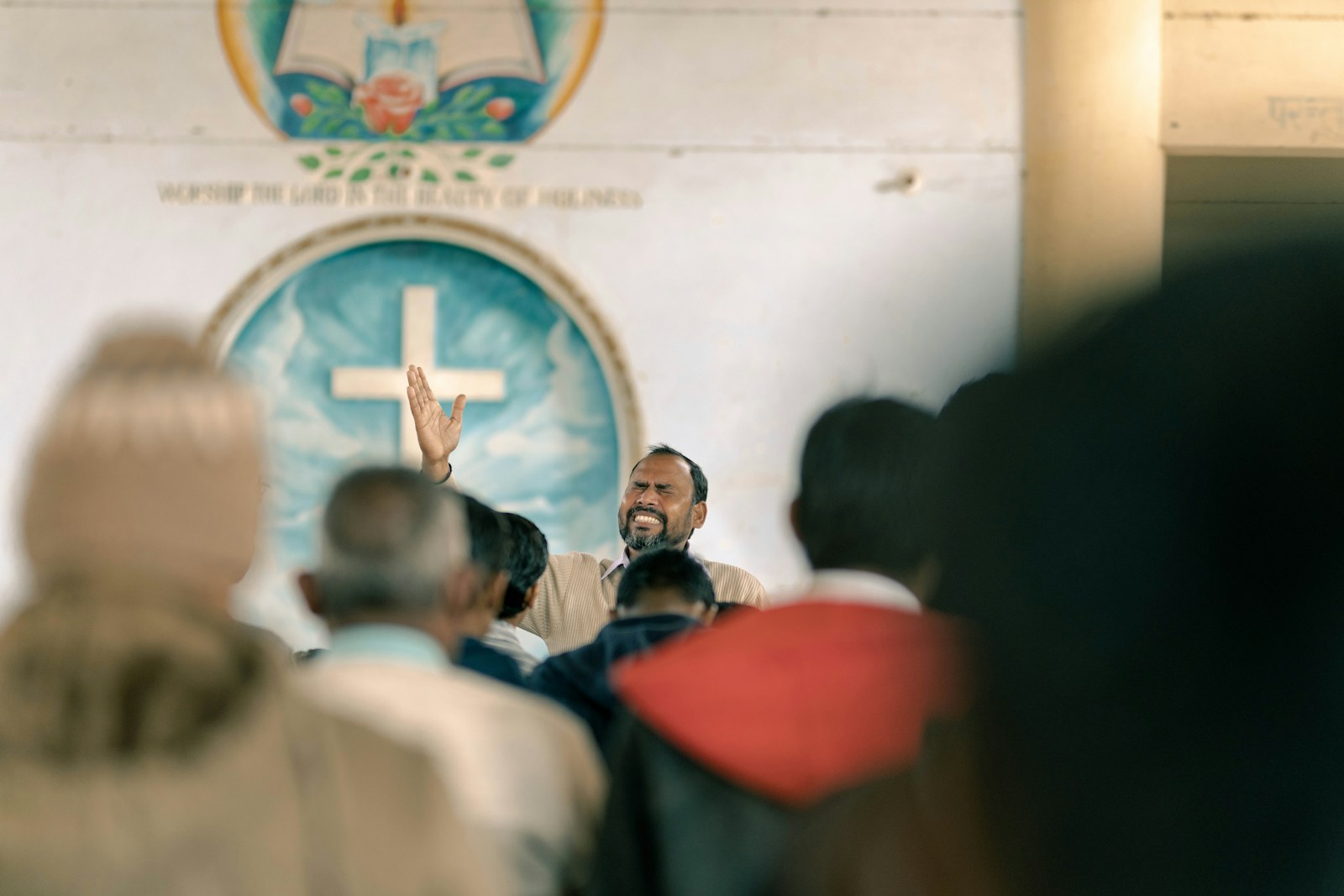
The Pope delivered a catechesis regarding the relationship between faith and the social, political, and economic dimensions of human existence. He emphasized that the social dimension is an integrated part of both human nature and the faith in Jesus Christ, describing it as a precious heritage received through the incarnation of the Son of God.
Referring to the constitution Gaudium et Spes, the Pope noted that the council fathers identified threats to world peace caused by economic development that is neither just nor respectful of creation. He stated that technical development alone is insufficient to correct this course, asserting that numerous economic and social reforms are required, along with a change in the mentality and living habits of all people. The Christian view presented in the document maintains that economic development must always serve and be controlled by humans.
Regarding labor, the Pope explained that work allows individuals to develop as persons, provide for family needs, express talents, and participate in community life. He declared that unemployment, exploitation, and working conditions that endanger life and health are unacceptable. He further noted that workers have the right and duty to participate in decisions concerning their work, including through organized forms, and should address conflicts through dialogue and non violent actions.
On the subject of finance, the Pope highlighted the principle of the universal destination of goods. He stated that individuals, companies, and state authorities making investment decisions must balance providing sufficient means for a dignified life for individuals and society today with the needs of future generations.
Addressing political society, the Pope mentioned that a stronger awareness of human dignity has led to attempts worldwide to establish legal and political regimes that better protect human rights. He defined the common good as the sum of all social conditions that make it easier for individuals, families, and groups to fully realize themselves. He asserted that political authority must always aim for this common good and consider the best interests of the entire human family.
Finally, the Pope affirmed that the Church and political society possess independence and freedom from one another in their respective fields, yet both serve the same people and can better fulfill their tasks through harmonious cooperation. He described war as a failure of politics and humanity, while urging young people to follow those who provide good witness in these fields and calling Christian communities to strengthen education in the social teaching of the Church.