World Church · September 25, 2026
France's Apostolic Nuncio says Pope Leo's visit will deliver a message of peace to Europe
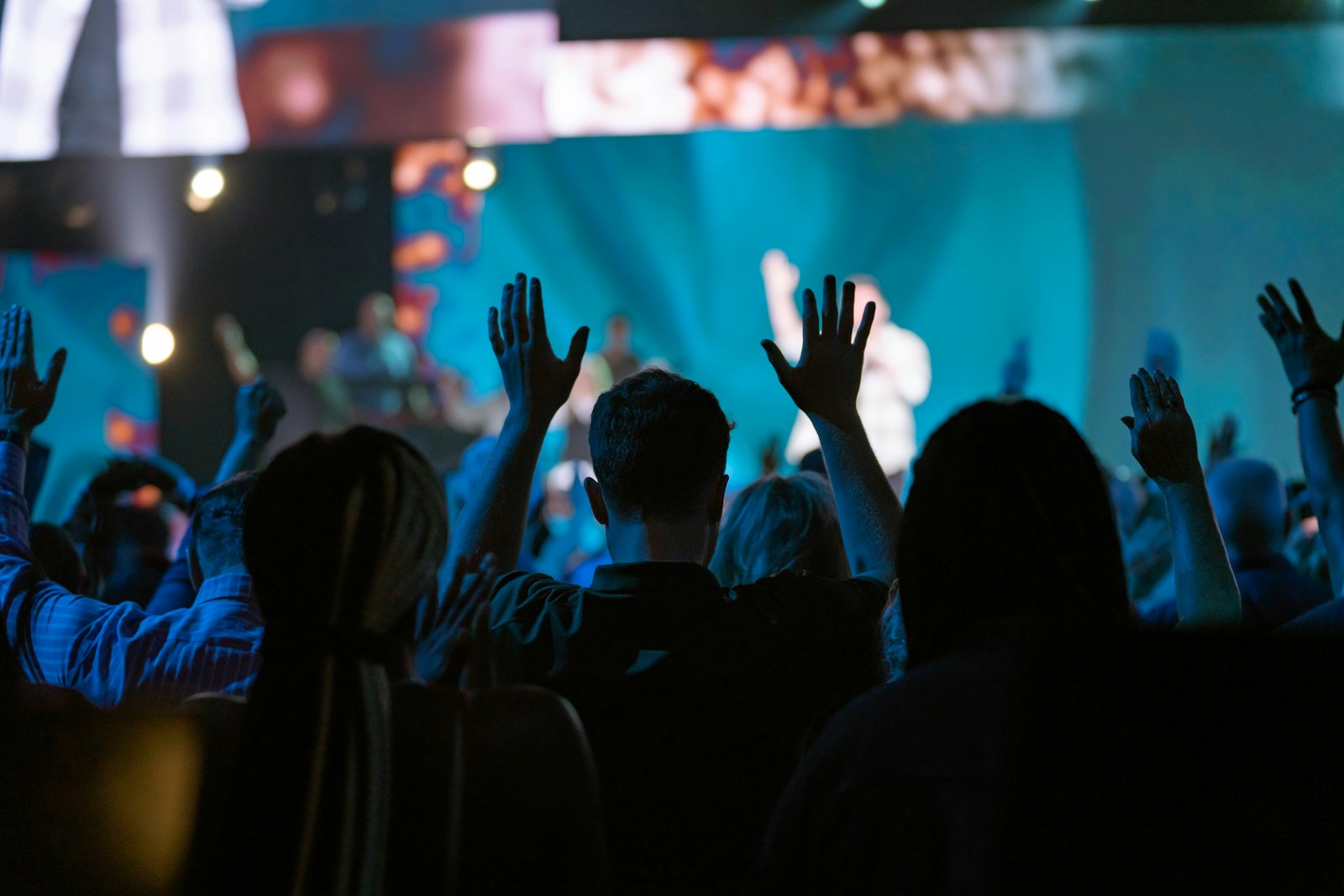
The Vatican media reported that the Apostolic Nuncio of France, Archbishop Celestino Milione, spoke in an interview about the renewal of faith in the country. He said a beautiful Christian life is being rediscovered, one that is neither cheap nor weak but fully embraced from its roots and depth. The interview preceded the papal visit planned for Paris, Lourdes and Metz. The Archbishop acknowledged the challenges facing French people but pointed to hopeful signs, including the French Church itself. He discussed the Pope's speech at UNESCO, his stop in Metz, and his hope that the visit would strengthen interest in Jesus Christ and the Gospel, turning these signs into a deep and lasting Catholic awakening. When asked about the welcome for Pope Leo, the Archbishop said expectations are high and both the Catholic community and those outside it praised the decision to dedicate one of the Pope's first international trips to France. Preparations are vigorous and enthusiastic, especially as registration for major events in the three cities opened and filled within days. Surveys show more than 80% of French people hold a positive view of Pope Leo, a sentiment that transcends religious and gender divisions. His peace, calm and genderless demeanor and his ability to deliver a clear message are seen as strengths and sources of trust.
The Archbishop noted that France holds global significance and asked what aspects of the visit might attract attention beyond its borders. He observed that the social and ecclesial situation in France mirrors that of other European nations and is not unique to France. The Archbishop expressed eagerness to better understand the Pope's perspective on the growing desire for a Christian life among youth and adults and the Church's commitment to societal well‑being. Having served in diplomatic missions worldwide and spent years in France, he said what struck him most was the vitality of the French people and ecclesial community. He described the Catholic Church in France as creative and courageous, noting many initiatives that foster trust and hope. He said management‑based pastoral approaches are shifting toward productivity‑based change that focuses on strengthening belief. While traditional metrics such as baptisms, Masses and marriages once measured Church health, the Archbishop emphasized missionary outreach, proclamation of the Word and witness as the true sources of renewal. A sense of discovery is re‑emerging among new generations, inspiring them to embark on spiritual journeys and rediscover the depth and beauty of a Christian life that is neither cheap nor weak but fully embraced from its roots. The Archbishop identified the greatest challenges facing French society as economic hardship, social fragmentation caused by migration, cultural and linguistic diversity and pressures in education and health care.
He said the Pope will offer messages of encouragement and invite all societal forces to coordinate solutions. He noted that France's deep Catholic tradition is weakening for many, and asked whether the visit could prompt French people to rethink their national identity. Recent signs include a rise in baptisms, spiritual retreats for returning believers and youth participation in national events. Efforts focused on knowing and living God's word, prayer and especially the Eucharist have produced a Church full of zeal. The Archbishop said the visit will help strengthen interest in Jesus Christ and the Gospel and transform current signs into a deep and lasting Catholic awakening. One special event during the Pope's program is a visit to UNESCO. In a time when international institutions face crises, the visit will convey a message of peace founded on education, science and culture. The Church now prioritises sound anthropology in all aspects of human life. The final stop in Metz will honour Robert Schuman, one of the architects of Europe. The visit will highlight the foundations of peace built on education and culture.