World Church · October 23, 2026
Academic conference in Daegu explores UNESCO heritage bid for missionary history
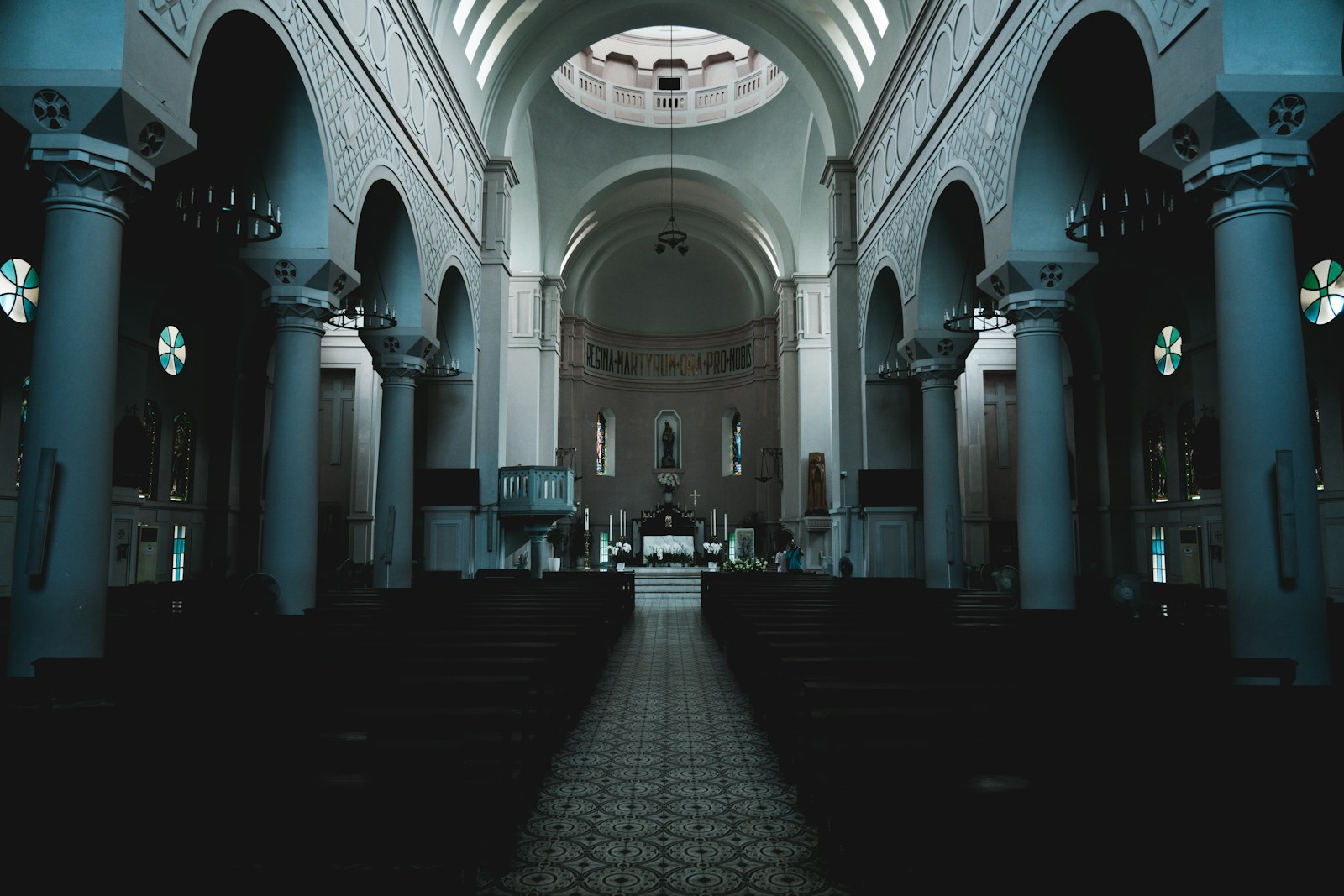
A academic conference was held on October 16 at Daegujeil Church's 100th Anniversary Hall in Daegu Jung-gu. The event was organized by Daegu Jung-gu and sponsored by the Daegu Christian Council, represented by Pastor Choi Seong-ju. The conference aimed to reexamine the value of Daegu's Christian missionary history and heritage and to lay an academic foundation for UNESCO World Heritage listing.
The program consisted of a keynote address, thematic presentations, and a comprehensive discussion. In the keynote, Pastor Seo Man-cheol of the Korean Mission Heritage Research Institute stated that the Daegu missionary base symbolizes the outstanding universal value of how Western religions and culture settled into and became everyday life in Korean society in the late 19th century. He highlighted the contribution to regional modernization through the integration of medicine, education, and faith, and pointed out the historical significance of combining tangible assets and intangible spiritual heritage to present academic justification for UNESCO listing.
In the thematic presentations, Pastor Park Chang-sik of the Daegu Christian History Institute traced the formation of the Daegu missionary base, beginning with missionary Wi-ryang's itinerant preaching in 1893 and missionary Ahn Ui and Johnson's appointment in 1897. He explained the holistic combination of gospel, education, and medicine based on the Nevius policy. He also highlighted the role of church planting centered on Daegujeil Church and Korean missionaries, modern education through Daenam, Sinmyung, and Gyeongseong Schools, and social exclusion overcoming through the Jungwon Hospital (now Dongsan Hospital) and Hansen and infant health ministries, evidencing the base's ripple effects and its value as a historical site linked to the roots of the March 1st Independence Movement.
Other presenters included Professor Kim Sang-tae on architectural techniques and characteristics of tangible missionary assets, Researcher Hwang Mi-suk on comparative studies of missionary bases in Asian countries, and Professor Han Min-su on the current preservation status, management, and utilization plans of the Daegu missionary base.
The conference particularly noted that the Daegu missionary base, the target of the UNESCO World Heritage bid, encompasses core heritage sites in the Daejeon-dong area of Jung-gu, including Daegujeil Church, the old Dongsan Hospital building, and Adams, McPherson, and Henderson Halls of Gyeongseong School, as well as missionary houses of Sweets, Chambliss, and Blair, which contain historical meaning of modern medicine, education, and mission.
In the comprehensive discussion, former Vice-Chancellor Kwon Yong-geun of Yeungnam University served as moderator, and academic and field experts discussed sustainable preservation systems and regional cooperation plans for the UNESCO World Heritage bid.
Earlier, Daegujeil Church Pastor Kim Jun-ho delivered a welcome address, saying he was pleased to hold such a meaningful place at the church that has continued the faith heritage for 133 years. He hoped that the missionary heritage would not remain merely in people's memories but become a stepping stone to leap as an asset that the whole world must protect.